All Categories
Featured

Identifying the Best Financial Relief Pathway
Table of Contents
Total personal bankruptcy filings increased 11 percent, with boosts in both service and non-business personal bankruptcies, in the twelve-month period ending Dec. 31, 2025. According to stats launched by the Administrative Office of the U.S. Courts, annual bankruptcy filings totaled 574,314 in the year ending December 2025, compared with 517,308 cases in the previous year.
Non-business personal bankruptcy filings increased 11.2 percent to 549,577, compared with 494,201 in December 2024. Bankruptcy totals for the previous 12 months are reported four times annually.
202423,107494,201517,308202318,926434,064452,990202213,481374,240387,721202114,347399,269413,616 2024310,6318,884216197,2442023261,2777,456139183,9562022225,4554,918169157,0872021288,3274,836276120,002 Extra statistics released today include: Business and non-business personal bankruptcy filings for the 12-month period ending Dec. 31, 2025 (Table F-2, 12-Month), A contrast of 12-month data ending December 2024 and December 2025 (Table F), Filings for the most current 3 months, (Table F-2, 3 Month); and filings by month (Table F-2, October, November, December), Insolvency filings by county (Table F-5A). For more on bankruptcy and its chapters, see the list below resources:.
As we go into 2026, the insolvency landscape is prepared for to shift in methods that will significantly impact lenders this year. After years of post-pandemic uncertainty, filings are climbing progressively, and economic pressures continue to impact consumer habits. During a recent Ask a Pro webinar, our specialists, Shareholder Milos Gvozdenovic and Lawyer Garry Masterson, weighed in on what loan providers must expect in the coming year.
Steps to Protect Your Home During Insolvency
For a much deeper dive into all the commentary and concerns responded to, we suggest seeing the full webinar. The most popular trend for 2026 is a sustained boost in bankruptcy filings. While filings have actually not reached pre-COVID levels, month-over-month growth recommends we're on track to surpass them soon. Since September 30, 2025, personal bankruptcy filings increased by 10.6 percent compared to the previous calendar year.
While chapter 13 filings continue to heighten, chapter 7 filings, the most common kind of consumer bankruptcy, are anticipated to dominate court dockets. This pattern is driven by consumers' absence of disposable earnings and mounting monetary stress. Other key motorists include: Persistent inflation and elevated rates of interest Record-high credit card debt and diminished cost savings Resumption of federal student loan payments In spite of recent rate cuts by the Federal Reserve, interest rates remain high, and loaning expenses continue to climb up.
Indicators such as customers utilizing "purchase now, pay later on" for groceries and surrendering recently bought vehicles show financial stress. As a financial institution, you may see more foreclosures and lorry surrenders in the coming months and year. You should also prepare for increased delinquency rates on automobile loans and home mortgages. It's likewise crucial to carefully monitor credit portfolios as financial obligation levels remain high.
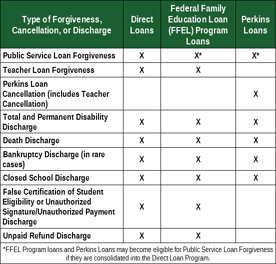
We forecast that the real effect will strike in 2027, when these foreclosures move to completion and trigger bankruptcy filings. Increasing real estate tax and homeowners' insurance coverage costs are already pressing first-time delinquents into financial distress. How can financial institutions stay one action ahead of mortgage-related insolvency filings? Your group must finish a thorough evaluation of foreclosure processes, procedures and timelines.
Steps to Save Your Home During Insolvency
Many approaching defaults might occur from formerly strong credit segments. In current years, credit reporting in insolvency cases has actually become one of the most contentious subjects. This year will be no various. But it is essential that creditors stand company. If a debtor does not reaffirm a loan, you must not continue reporting the account as active.
Resume normal reporting just after a reaffirmation arrangement is signed and submitted. For Chapter 13 cases, follow the strategy terms thoroughly and consult compliance groups on reporting obligations.
Another pattern to watch is the increase in pro se filingscases submitted without attorney representation. These cases frequently develop procedural issues for creditors. Some debtors might stop working to precisely reveal their assets, earnings and expenses. They can even miss out on key court hearings. Again, these problems include intricacy to insolvency cases.
Some recent college grads might juggle obligations and resort to personal bankruptcy to handle general financial obligation. The takeaway: Financial institutions need to get ready for more complex case management and consider proactive outreach to debtors facing significant monetary stress. Lien excellence remains a significant compliance risk. The failure to perfect a lien within one month of loan origination can lead to a creditor being treated as unsecured in bankruptcy.
Our team's recommendations consist of: Audit lien excellence processes frequently. Maintain paperwork and evidence of timely filing. Think about protective measures such as UCC filings when delays happen. The insolvency landscape in 2026 will continue to be shaped by financial unpredictability, regulatory examination and developing consumer behavior. The more ready you are, the simpler it is to navigate these challenges.
Negotiating Your Total Debt With Settlement Services
By anticipating the patterns mentioned above, you can reduce direct exposure and keep functional durability in the year ahead. This blog site is not a solicitation for business, and it is not meant to make up legal guidance on particular matters, create an attorney-client relationship or be legally binding in any method.
With a quarter of this century behind us, we get in 2026 with hope and optimism for the new year. There are a variety of problems numerous sellers are grappling with, consisting of a high financial obligation load, how to utilize AI, diminish, inflationary pressures, tariffs and waning need as cost persists.
Reuters reports that high-end merchant Saks Global is preparing to apply for an imminent Chapter 11 insolvency. According to Bloomberg, the business is going over a $1.25 billion debtor-in-possession financing bundle with lenders. The business regrettably is burdened considerable financial obligation from its merger with Neiman Marcus in 2024. Contributed to this is the basic worldwide downturn in luxury sales, which might be key factors for a prospective Chapter 11 filing.
The business's $821 million in net earnings was down 4.5% year-over-year, driven by a 12% decrease in hardware and a 27% decline in software application sales. It is uncertain whether these efforts by management and a much better weather climate for 2026 will help avoid a restructuring.
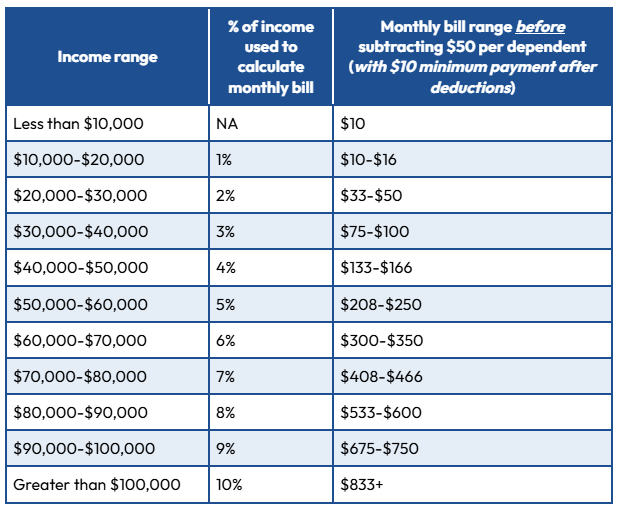
, the odds of distress is over 50%.

Latest Posts
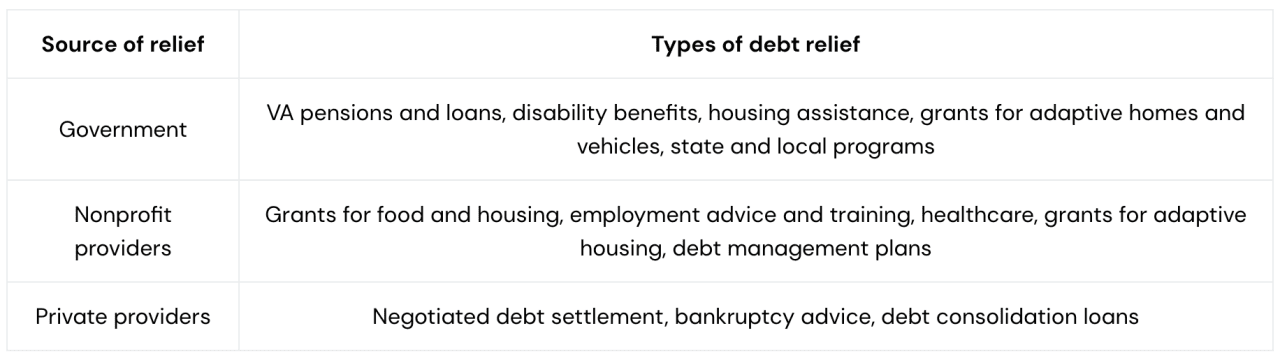
Strategies to Restore Financial Health After Debt in 2026

Step-By-Step Process to Handling Insolvency in 2026

Comparing Debt Settlement Versus Bankruptcy for 2026